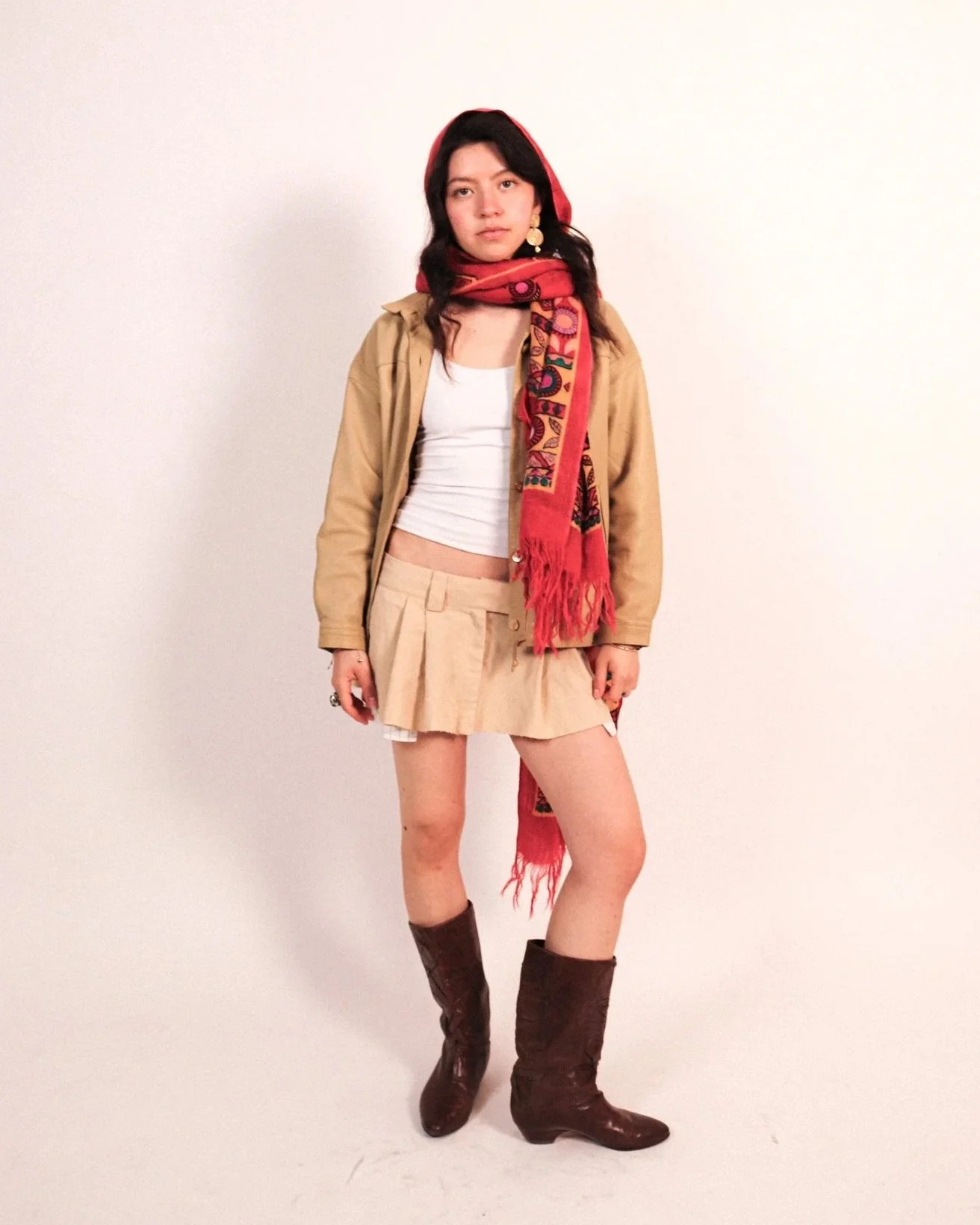
Tupi
Shot by Lorena Gama & Maggie Dualan
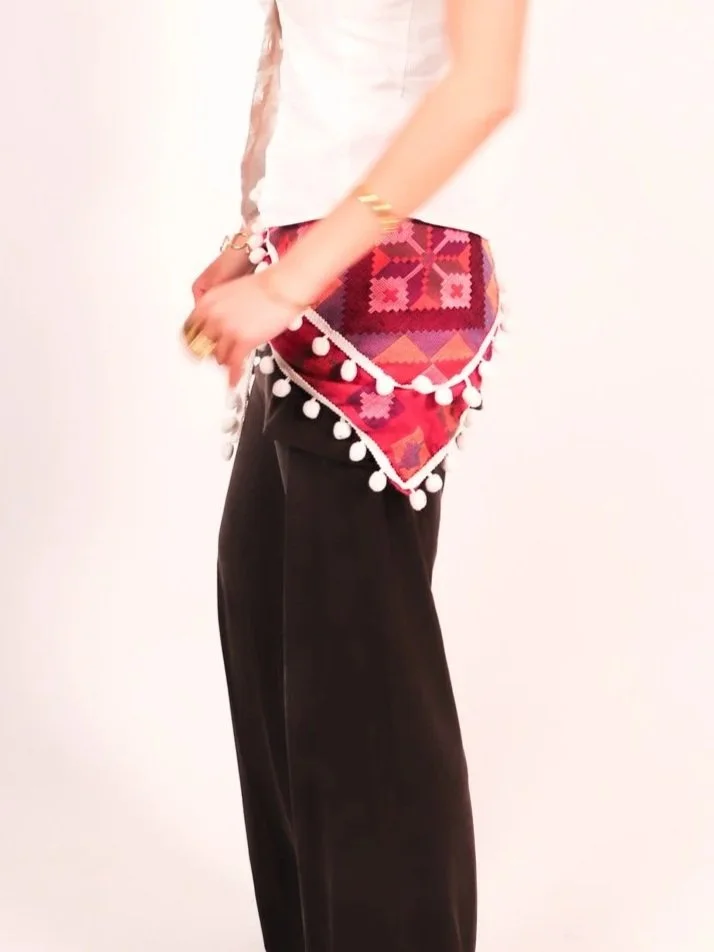
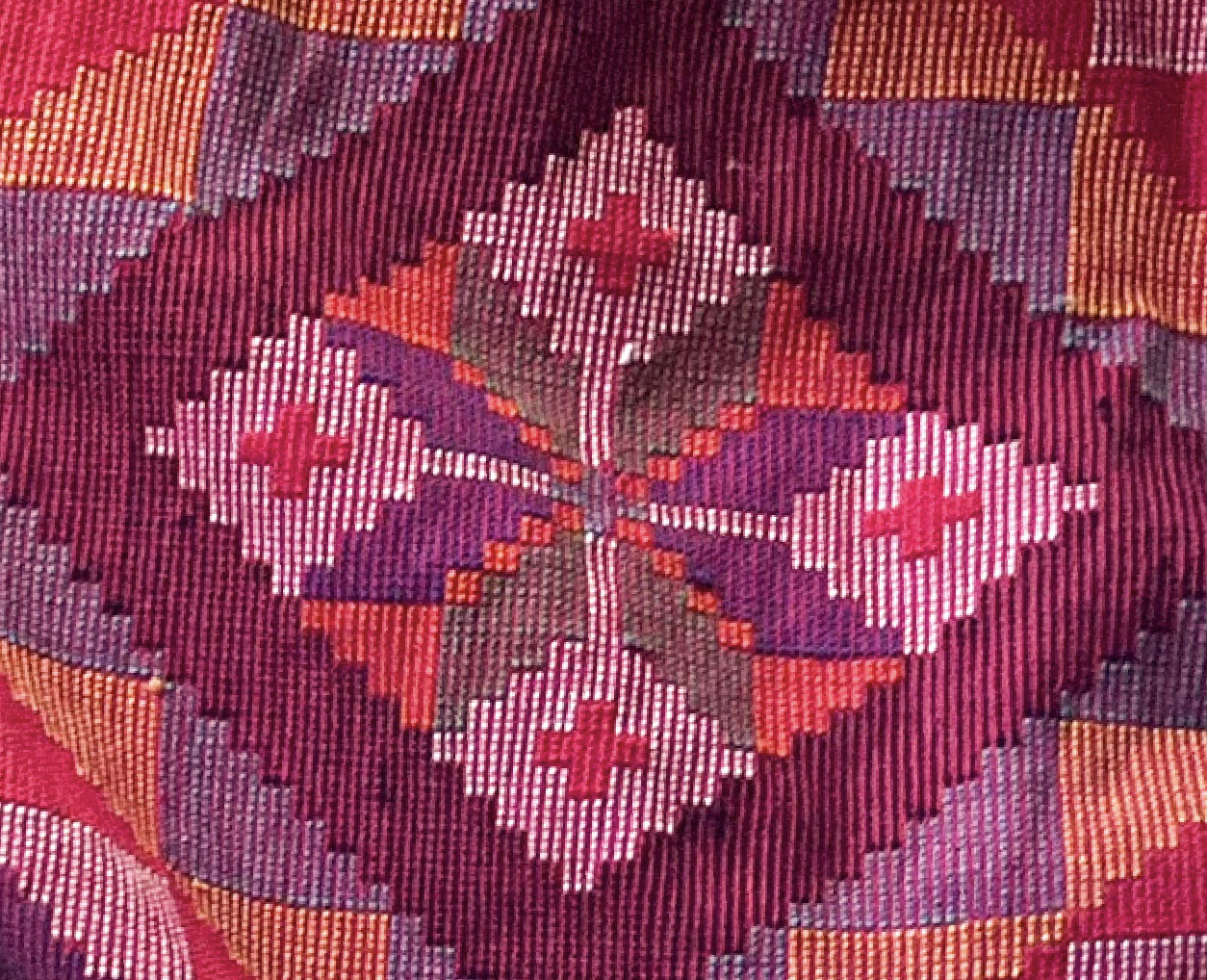
The weave of the Yakan tribe is akin to the bond of grandmothers, mothers, and daughters. The celebration of femininity Is deeply rooted in pre-colonial Philippine culture, which has been challenged by Spanish colonization.
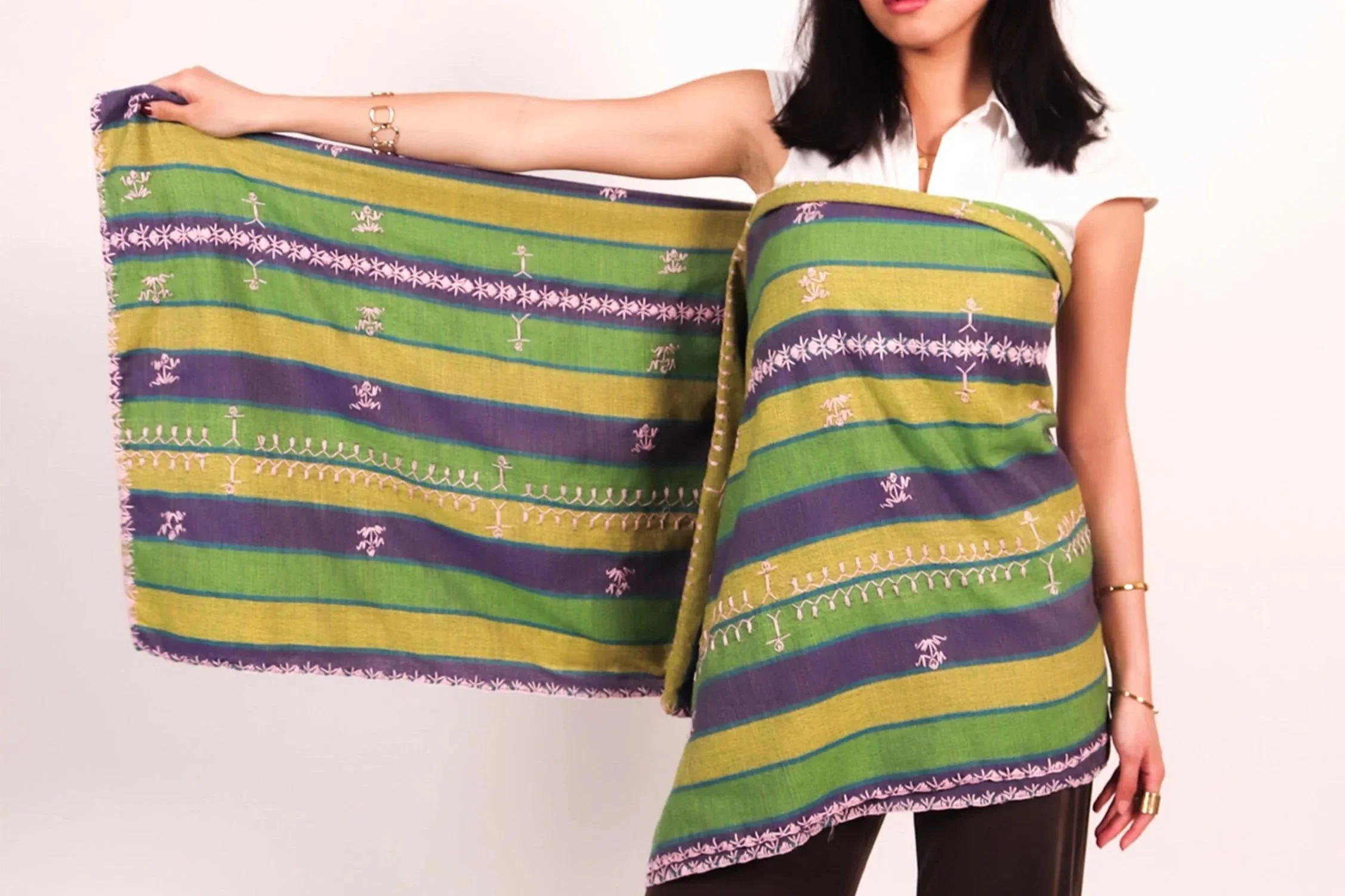
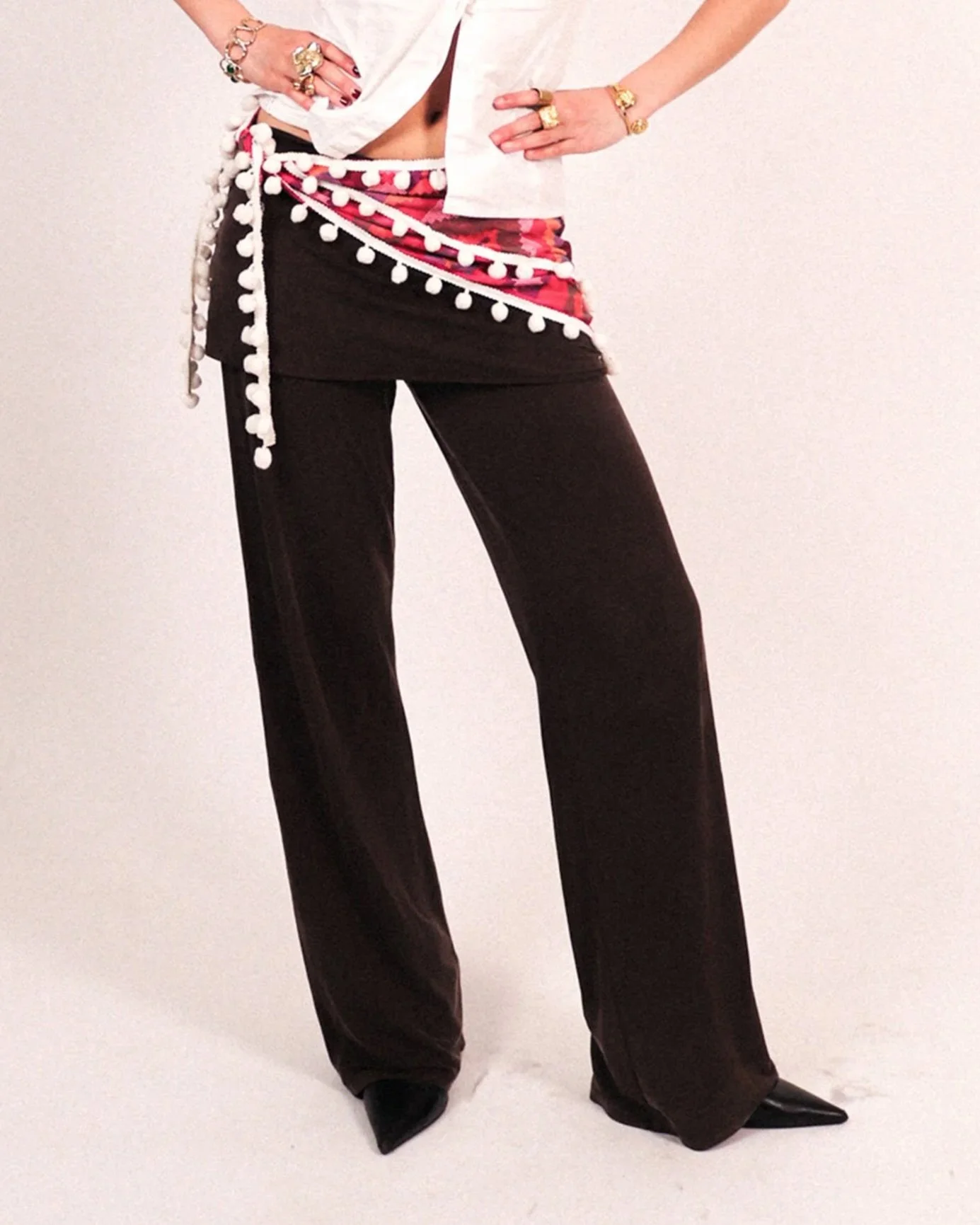
A Yakan textile is layered as a wrapskirt on Paloma Wool trousers, creating a dance between Filipino tradition, and the Spanish contemporary.
The animated patterns of the Yakan textile communicate centuries of cultural identity and craftsmanship while Paloma Wool’s minimalist silhouettes reflect a modern essence rooted in Western elegance.
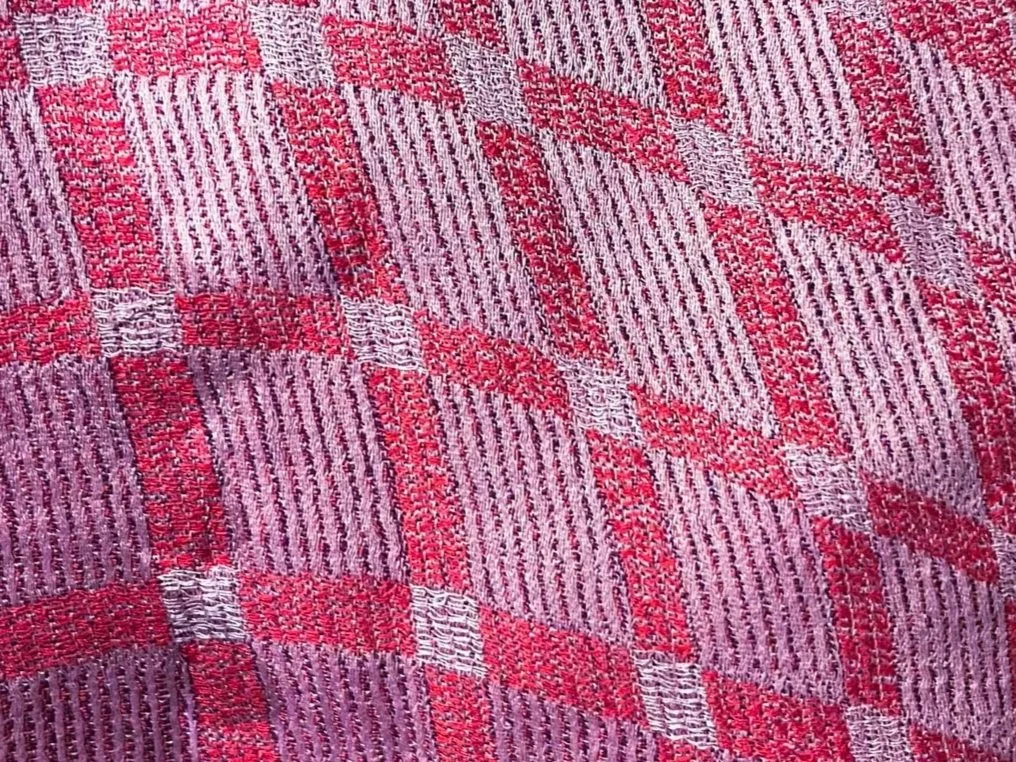
Congested highways and vibrant flavors are not the only things Manila and Mumbai have in common. Beneath the traffic smog and unbearable humidity, the two bustling cities have a shared appreciation for local artistry and the culture that is embedded in it.
COLONIAL KARMA
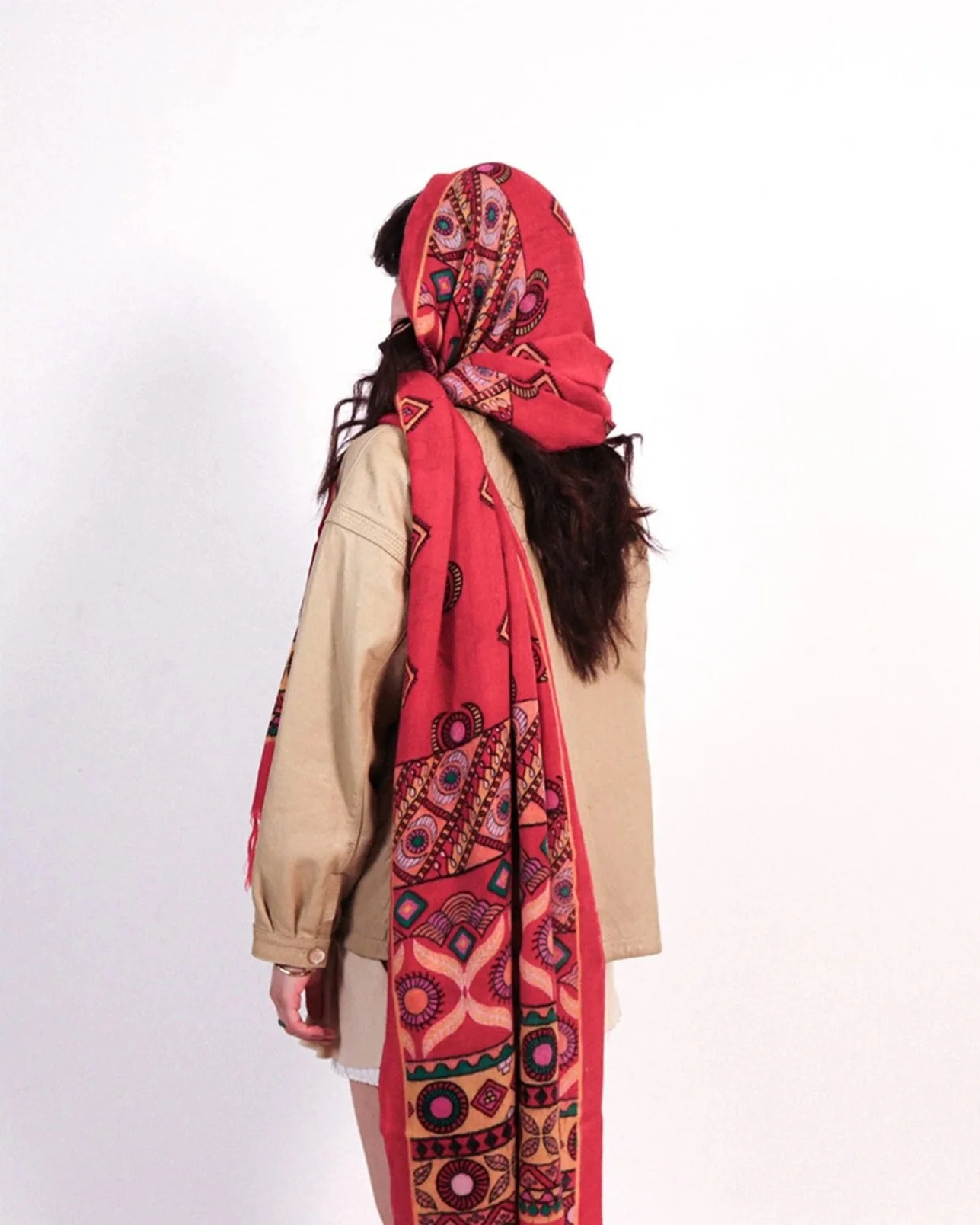
Head coverings and shawls are considered heritage staples in almost every corner of the world; shielding people from the sand and snow, and affirming religious and cultural identity.
From rave culture to winter fashion, we have seen a rise of pashminas and balaclavas in mainstream fashion. Indian saris and dupattas and Pakistani pashminas, South Asian garments have been rebranded as Western trends
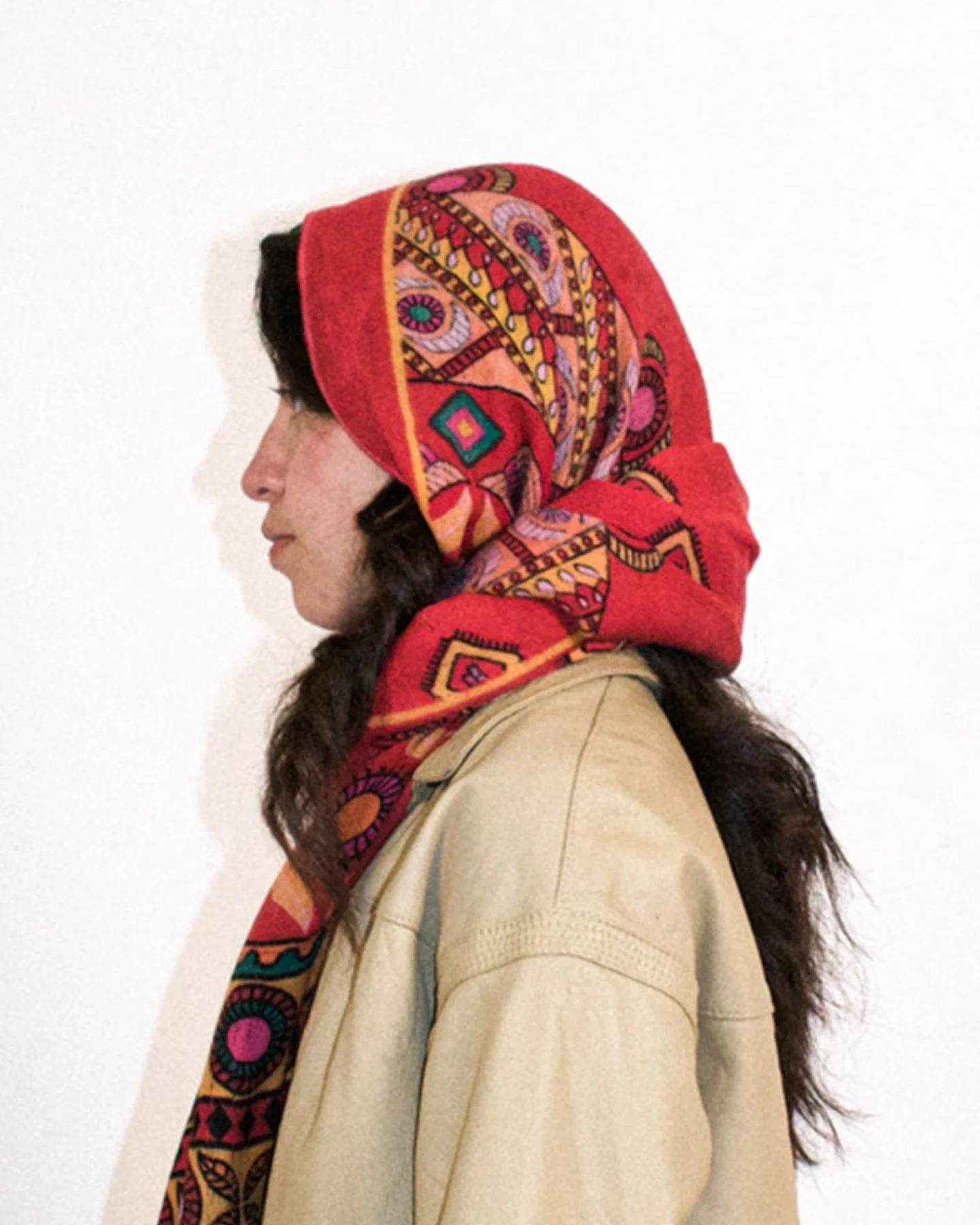
The Virgin Mary herself wears a head covering, and is one of the most respected figures across Abrahamic religions.
Yet Western society holds a double standard to the hijab and the women who choose to wear it. The hijab is meant to be a symbol of modesty and dedication to faith. It is believed that Mary wore the head covering for this very reason.
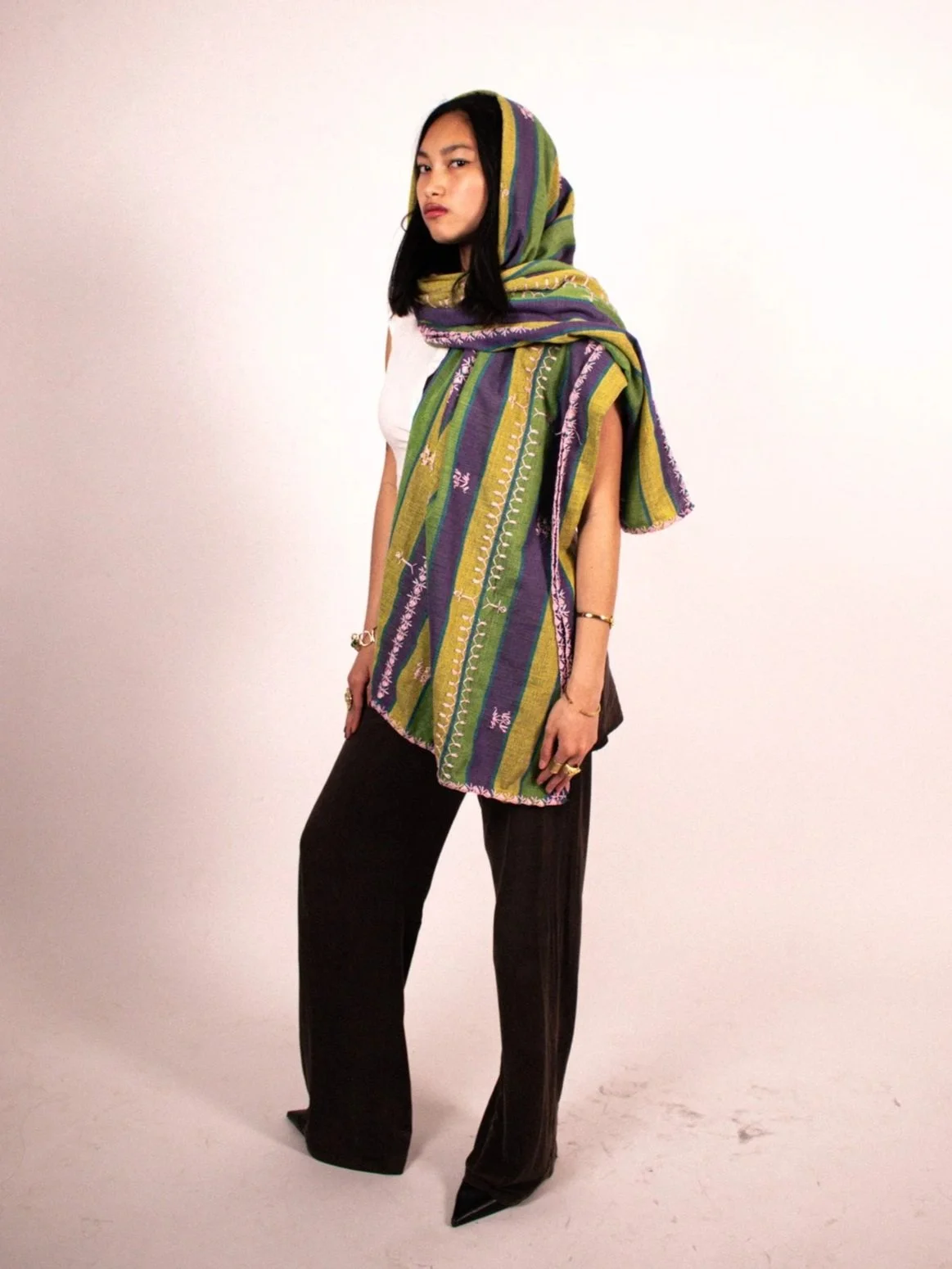
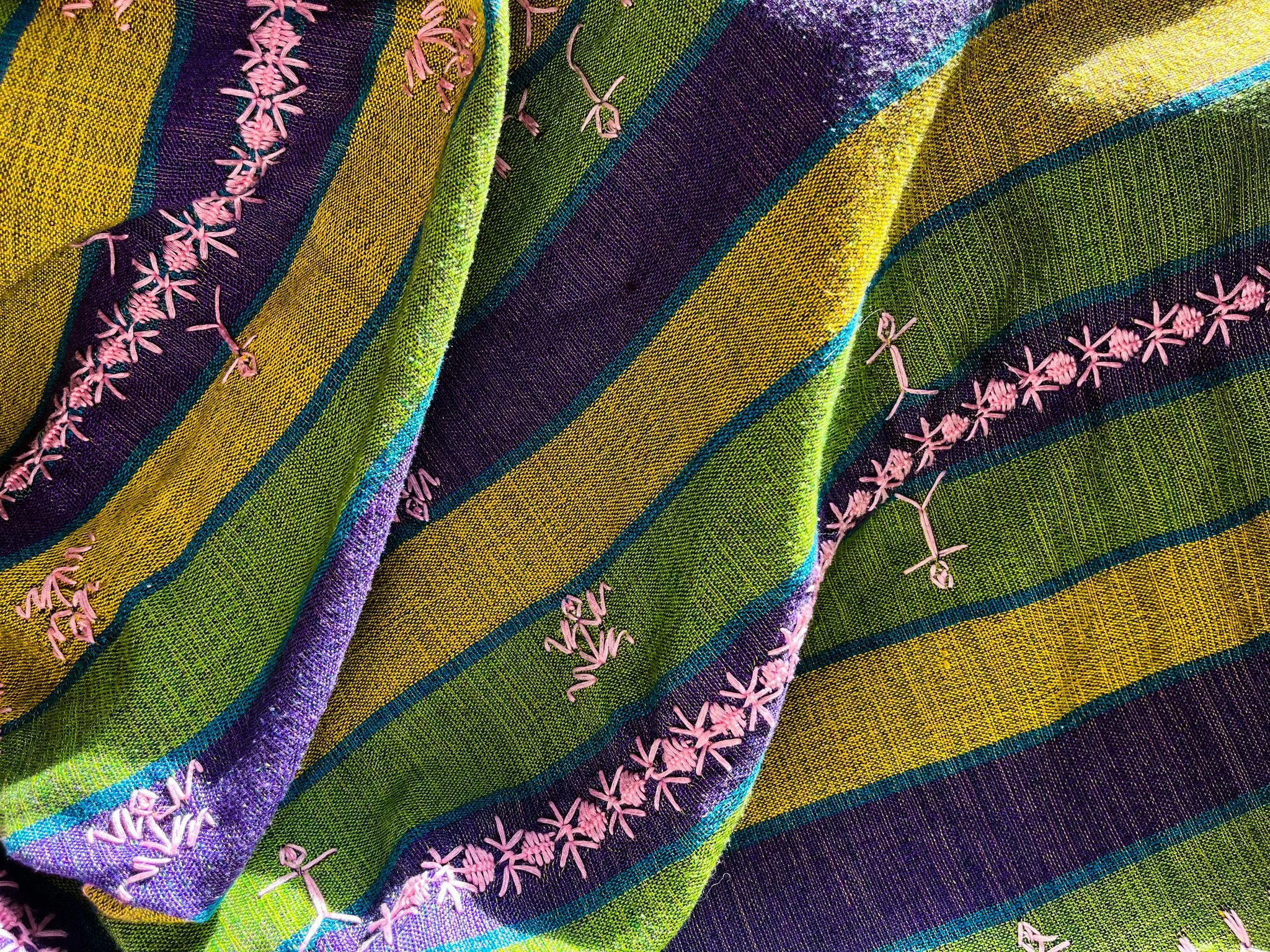
The Ilocos region of the Philippines is widely celebrated for its Spanish colonial architecture, delicious longganisa, and intricate weaving. Ilocano weavers have perfected their craft by telling ancestral stories through each twist of cotton on their wooden looms.
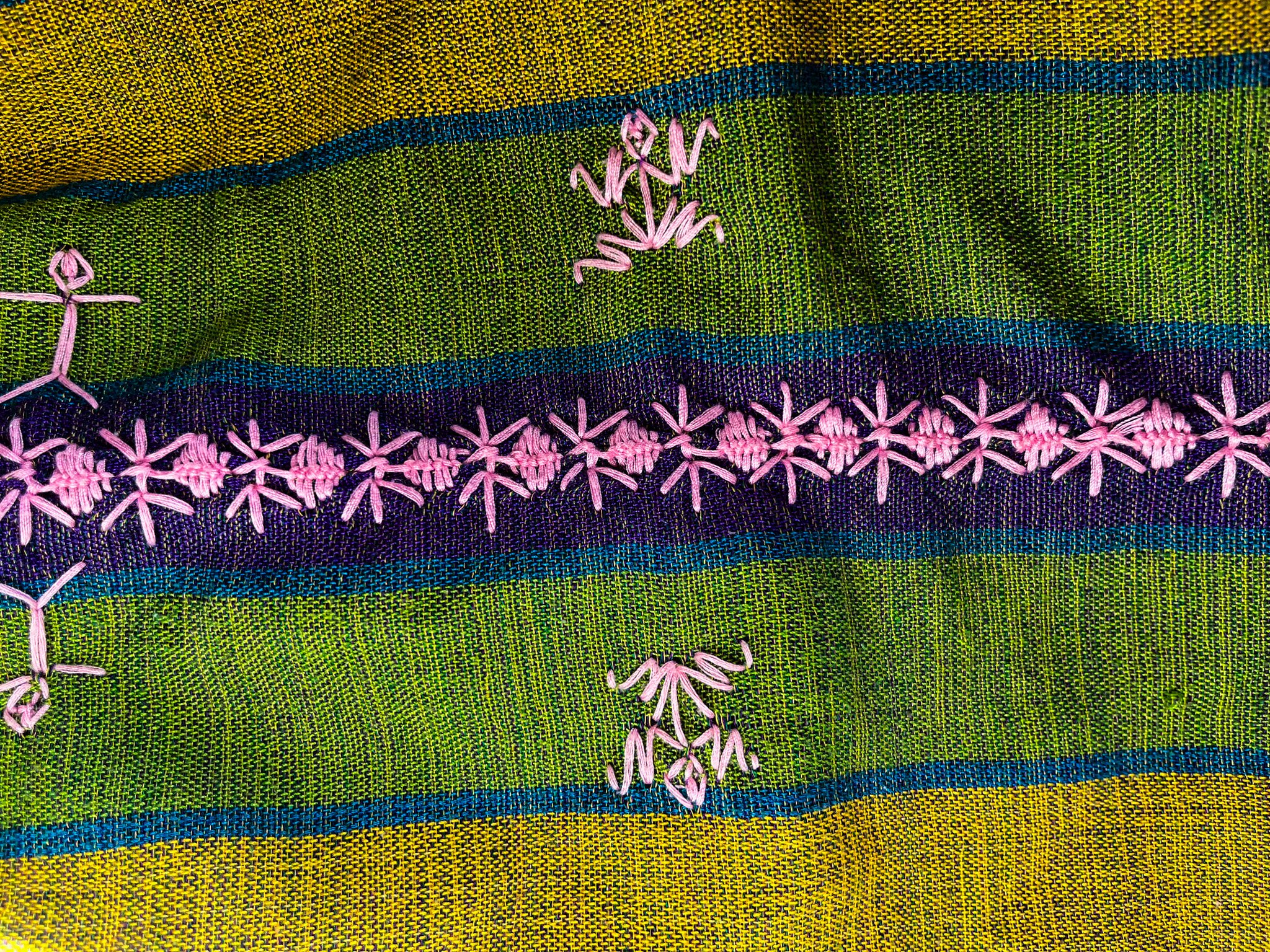
Geometric patterns are often seen on these textiles, and are complimented with motifs such as frogs for good luck and pineapples as an ode to the nation’s folktale Alamat ng Pinya.
The softness and durability of the textile ensure its versatility in foreign climates, allowing Filipinos to bring a token of their culture acrosss the globe.
MANILA
& MUMBAI
A METROPOLITAN MIX OF TEXTILES
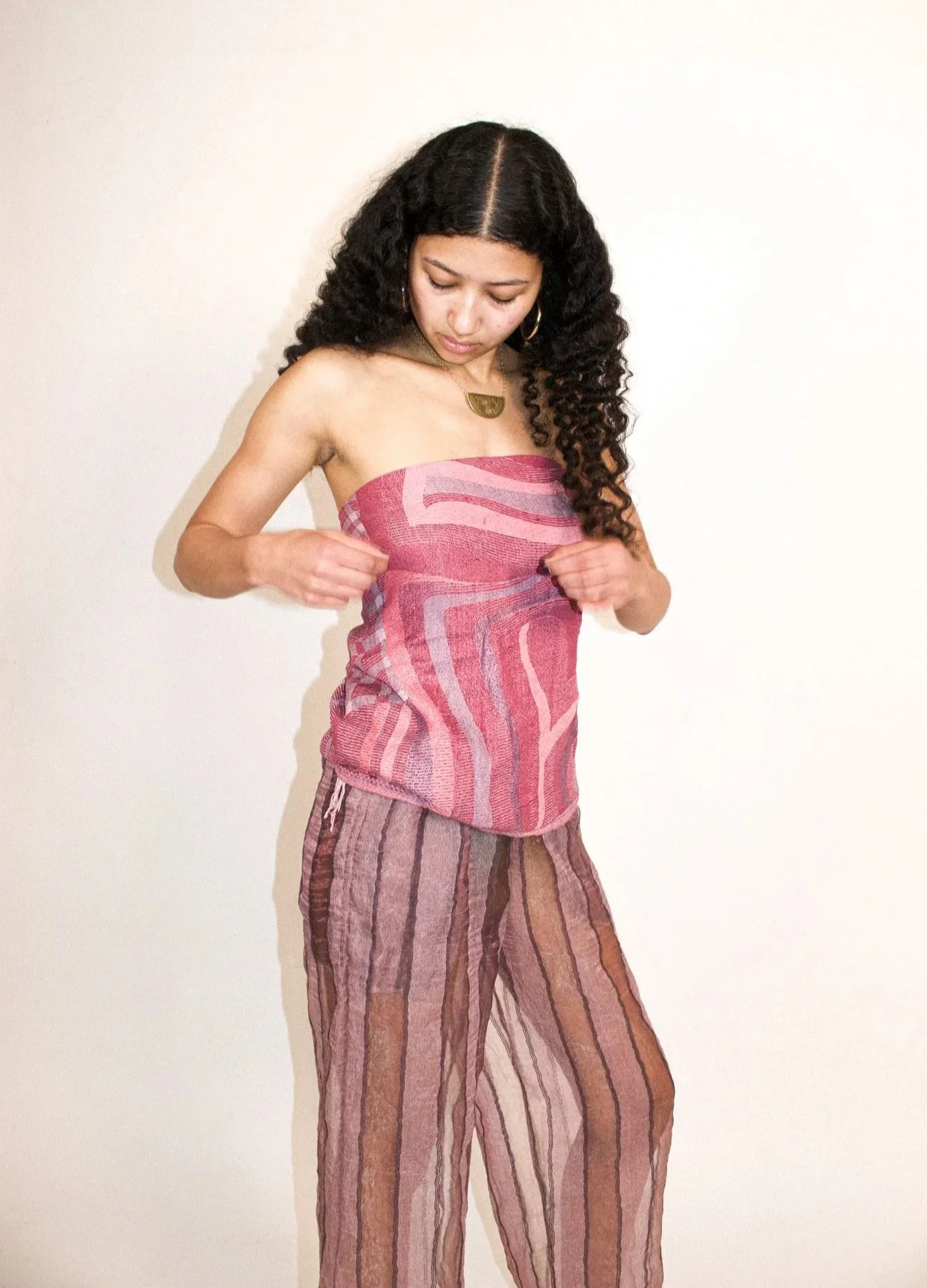
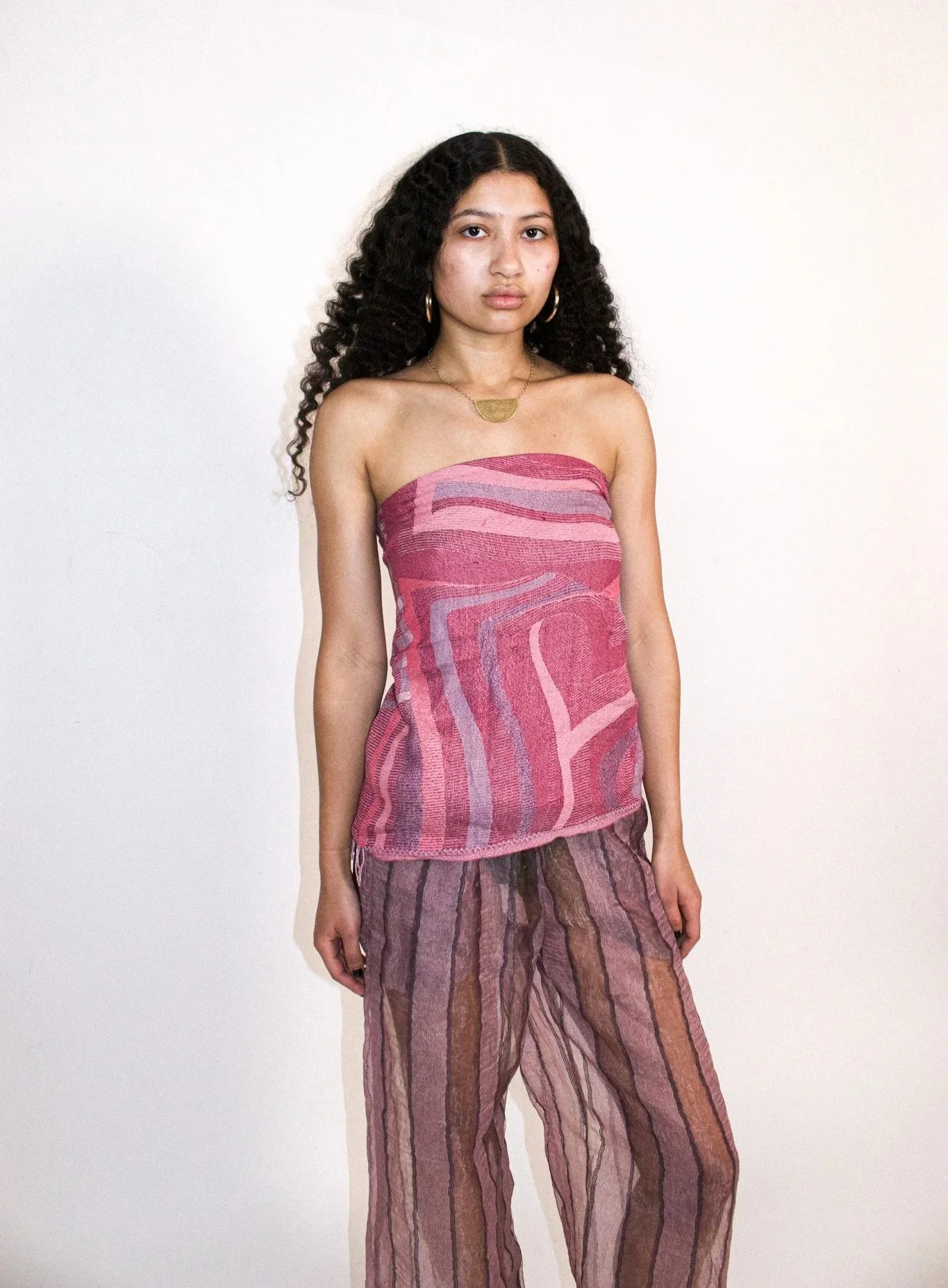
Both Indian and Philippine culture pay homage to biodiversity, maximizing the use of flora in garment production. A multifaceted garment from Mumbai is paired with abaca pants from Manila-based brand Munimuni Studio. The animated stripes come to life through the metropolitan mix of textiles.